The Measurement Canada-certified scale at Bijouterie C. Filion
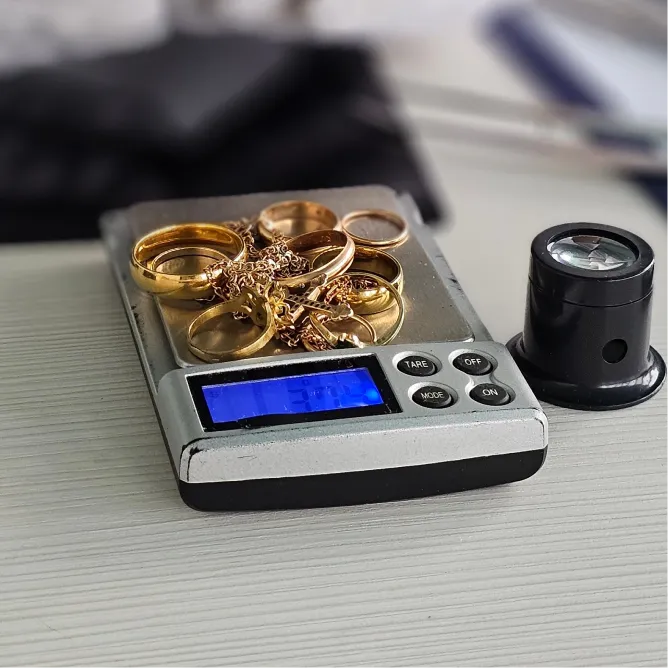
At Bijouterie Claude Filion, every gold and precious metals purchase is carried out on a Measurement Canada-certified scale, in compliance with the Canadian Weights and Measures Act. The legal framework governing the weighing of precious metals in this country guides our daily practice in our Saint-Eustache workshop, where we have been buying gold since 1965.
Key takeaways
- Any scale used in Canada to buy or sell gold by weight must be approved and inspected by Measurement Canada, the federal body responsible for the accuracy of commercial measurements.
- A non-compliant scale must bear the label “not legal for trade” and cannot be used for any precious metal transactions.
Inspections have been mandatory at regular intervals since August 1, 2014, under the Weights and Measures Act. - Our scale is approved, inspected, and specifically designed for the weighing of precious metals.
- The inspection sticker and the most recent certificate are available upon request at the counter.
Why the gold trade requires a certified scale
The precious metals trade is one of the few sectors where weight directly determines the monetary value of a transaction. On a piece of gold jewellery, a variation of a few hundredths of a gram translates immediately into dollars. This direct link between measurement and price is why Canadian legislators placed gold-buying scales under particularly strict oversight.
A requirement set out in the Weights and Measures Act
The Weights and Measures Act (R.S.C. 1985, c. W-6) governs all commercial transactions based on measurement in Canada, from gas pumps to butcher scales to jewellery scales. For precious metals, Measurement Canada specifies three cumulative requirements: the scale must be approved and inspected by Measurement Canada, be specifically designed for weighing precious metals, and meet the accuracy requirements of the Act.
The “not legal for trade” label
Scales that do not meet these three criteria are not banned from sale, but they must bear the label “not legal for trade.” This label means they cannot under any circumstances be used to buy or sell gold, even if their technical precision is high. Precision and legal compliance are two distinct concepts, and only the latter permits the trading of precious metals.
The role of Measurement Canada in overseeing jewellery stores
Measurement Canada is the federal authority responsible for enforcing the Weights and Measures Act. Understanding how it operates helps explain why scale compliance is not a self-proclaimed commitment but a status that is regularly verified in the field.
A federal body under Innovation, Science, and Economic Development Canada
Measurement Canada is an agency of Innovation, Science, and Economic Development Canada. Its mandate is to ensure accuracy in the sale of measured goods, to develop and enforce laws relating to measurement accuracy, to approve and inspect devices, and to investigate complaints. The same body oversees gas pumps, electricity meters, food scales, and jewellery scales under a single framework.
Mandatory inspections since 2014
Amendments to the Weights and Measures Act, which came into force on August 1, 2014, introduced mandatory inspections at regular intervals across several commercial sectors. These inspections are conducted either by Measurement Canada inspectors or by authorized service providers accredited or registered with the agency.
A business owner does not know in advance exactly when an inspection will take place. Measurement Canada may also intervene following a consumer complaint, and non-compliance exposes the business to the administrative monetary penalties set out in the Regulations.

The technical features of our scale
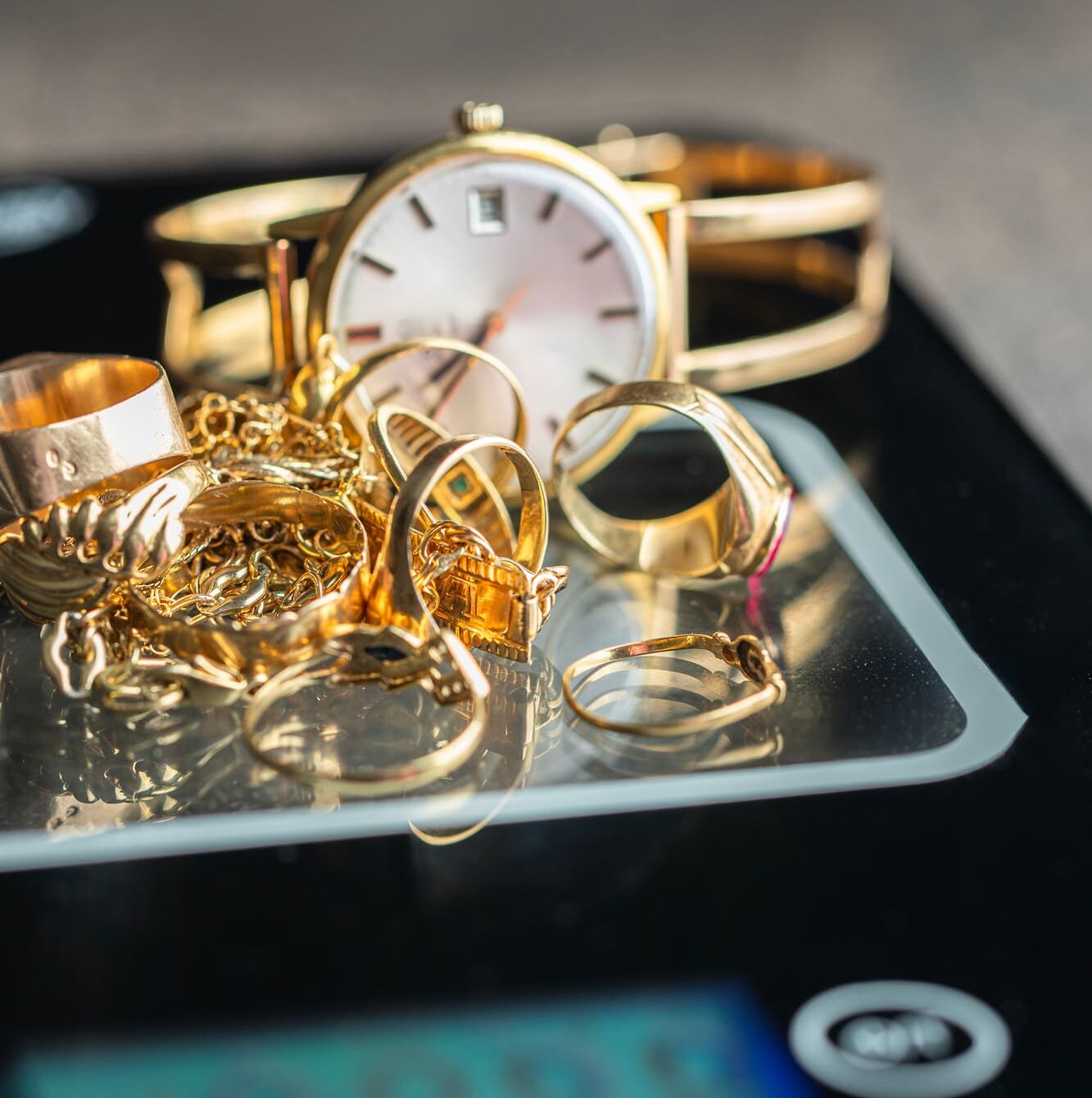
The scale used at Bijouterie Claude Filion meets each of the three criteria set out by Measurement Canada. Each feature serves a specific function in the chain of trust that connects the jewellery a client brings in to the purchase offer made to them.
A design specific to the weighing of precious metals
A scale approved for the trade of precious metals is not an ordinary commercial scale. It is designed for very low-range weighing, with a typical resolution to the hundredth of a gram, on platforms sized for jewellery pieces. This technical specificity is one of the reasons Measurement Canada distinguishes precious-metal scales from other commercial scales.
Accuracy that meets regulatory requirements
The accuracy required by the Weights and Measures Act is not an abstract value. It is defined by precision class and verified using certified reference weights during each inspection. A scale that falls outside these tolerances must be recalibrated by an authorized service provider before it can return to commercial use.
What Measurement Canada compliance means for you in-store
The Canadian legal framework does not simply impose technical requirements on scales. It also confers direct rights on consumers who are about to sell gold, and every jewellery store that complies with the Weights and Measures Act is expected to honour them.
The right to consult the inspection sticker
Measurement Canada recommends that consumers check the inspection sticker on the scale before any transaction. This sticker indicates the date of the last inspection and confirms that the device is legal for the trade of precious metals.
The right to request the inspection certificate
Also according to Measurement Canada, a client may request a copy of the most recent inspection certificate from the scale operator. At Bijouterie Claude Filion, this request is legitimate and welcomed as such.
Our commitment to transparency
Buying gold since 1965 in the same community comes with a simple obligation: leaving nothing in the dark. Every evaluation is carried out in-store, in the client’s presence, and our team answers any questions about the weighing, the purity, or the calculation of the offer.

Selling your gold at Bijouterie Claude Filion
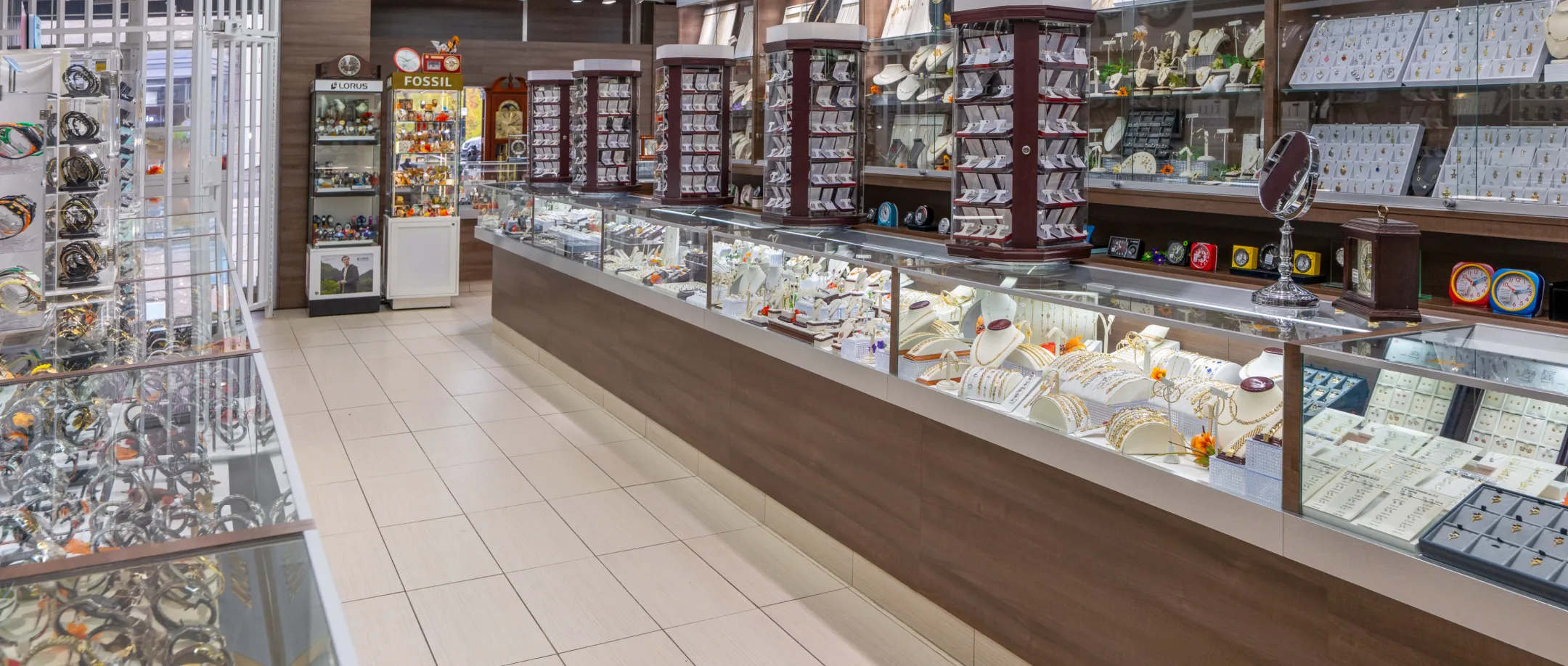
Our clients from Saint-Eustache, Deux-Montagnes, Boisbriand, Sainte-Thérèse, and across the Lower Laurentians have been entrusting us with their gold, coins, bullion, and jewellery since 1965. This continuity rests on a consistent practice: certified weighing, transparent calculation, an offer based on the current market price, and immediate payment.
For an evaluation, visit us at 19 Saint-Eustache Street in Saint-Eustache or call us at 450 473-9522. We are open seven days a week.
Frequently asked questions
What is a Measurement Canada-certified scale?
-
It is a scale whose model has been approved by Measurement Canada and whose every individual unit is inspected before being put into service, then at regular intervals thereafter. For the gold trade, the scale must also be specifically designed for the weighing of precious metals.
What law governs the weighing of gold in Canada?
-
The Weights and Measures Act (R.S.C. 1985, c. W-6) and its regulations are enforced exclusively by Measurement Canada, an agency of Innovation, Science and Economic Development Canada.
How often must a gold-buying scale be inspected?
-
Since August 1, 2014, inspections have been mandatory at regular intervals depending on the sector of activity. Measurement Canada may also carry out random verifications.
What does the label “not legal for trade” on a scale mean?
-
It indicates that the device does not meet the requirements of the Weights and Measures Act and cannot be used for any purchase or sale transactions, including gold and precious metals.
Can I consult the inspection certificate for the scale used at Bijouterie C. Filion?
-
Yes. The inspection sticker is visible on the device, and the most recent certificate is provided upon request at the counter, in accordance with Measurement Canada’s recommendations to consumers.
What precious metals are weighed on this scale?
-
10K, 14K, and 18K gold, sterling silver 925, precious metal coins, and bullion. Every weighing is carried out on the same certified scale.